Haute Cuisine, a 2012 French comedy-drama film is surrounding the life and experiences of Hortense Laborie, as she was appointed the head chef for the President of France in 1986.
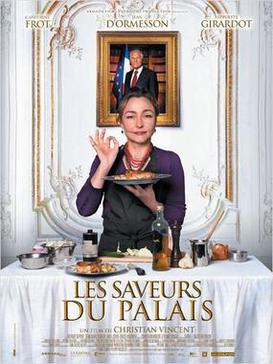
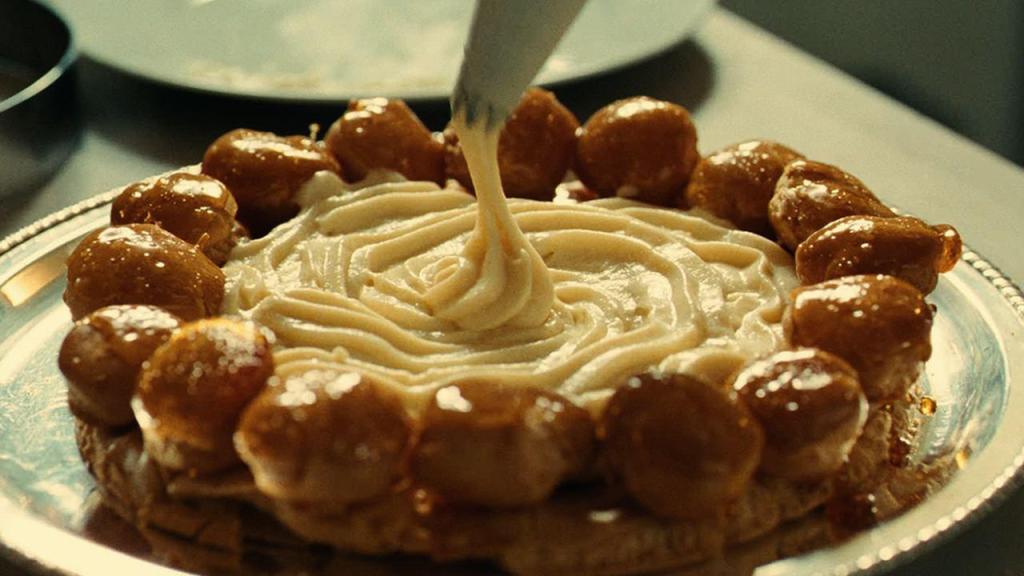
At the heart of the film, is food, and as such this is a go-to foodie film. It embraces the vibrant energy of kitchen creation, continually displaying the effort and love that Laborie puts into her food. We are shown an array of luxurious, mouth-watering food such as rich duck breasts and traditional escargot, which any food-lover would appreciate. It displays the act of cooking in the most idealistic light, with elegance yet simplicity.
It displays the importance of culinary tradition, but also rejects certain gastronomic stereotypes such as gender roles in food. Laborie enters a completely male-dominated kitchen, headed by an old-fashioned, pompous chef that questions her abilities. Laborie allows her food to speak for itself, resulting in jealous resentment by those around her.
The film depicts its protagonist battling power dynamics being a woman in the food industry, bringing to light issues that still arise in kitchens across the world in today’s current society.
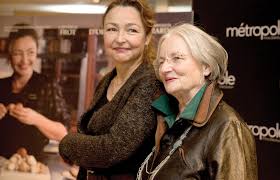
The film is based on the true story of
Danièle Mazet-Delpeuch
The film reflects many of the readings explored in this subject, in particular those indicating an importance in upholding traditions in the way we cook. The film’s title, Haute Cuisine, in itself pays an homage to the concept which Carême is widely acknowledged as the founder of. Instead of following these traditional routes, Laborie introduces regionality to her dishes, opposing the view that everyone must dine the Parisian Haute Cuisine style.

Carême is widely recognised as the founder of the concept Haute Cuisine
 Euro Food Lover